
Uncategorized
Practical tips to Avoid Microplastics in Daily Life
Sep
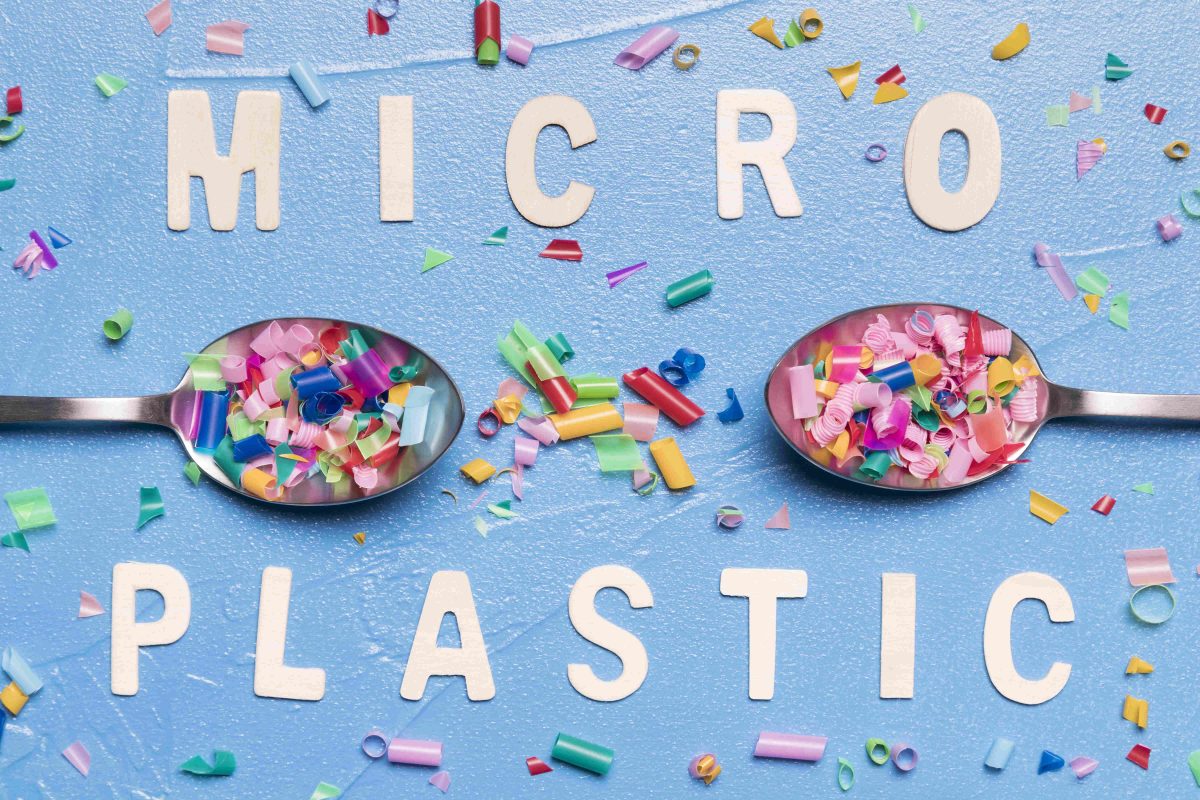
In today’s world, microplastics are everywhere, infiltrating our water, food, and even the air we breathe. These tiny plastic particles, often measuring less than 5 mm in size, originate from the breakdown of larger plastics or are intentionally added to products such as cosmetics. Understanding the types of microplastics—primary ones, such as microbeads in exfoliants, and secondary ones from the degradation of waste—is crucial.
The effects of microplastics on health are alarming, potentially contributing to inflammation, respiratory issues, and long-term diseases. Microplastics in the environment harm wildlife and ecosystems, cycling back to us through the food chain. But the good news is that learning how to avoid microplastics can significantly reduce your exposure. By making simple swaps, you can embrace microplastic-free products and promote a healthier planet.
Personal Care Swaps to Avoid Microplastics
One of the easiest ways to avoid microplastics is by rethinking your daily routines, starting with personal care. Microplastics in cosmetics and skincare are common culprits, lurking in scrubs, toothpastes, and makeup. To combat this, switch to natural alternatives. For instance, replace plastic scrubbers with a natural loofah, which is biodegradable and gently exfoliates without shedding synthetic particles. Bamboo brushes are another excellent choice for toothbrushes; they’re sustainable, compostable, and free from the plastic that breaks down into microplastics.
In menstrual care, consider menstrual cups or organic cotton tampons over conventional ones with synthetic fibers. Menstrual cups, made from medical-grade silicone, are reusable and eliminate the need for disposable pads that contribute to microplastics from clothing and textiles. These swaps not only help in reducing microplastics but also save money long-term.
Clothing and Shopping Choices
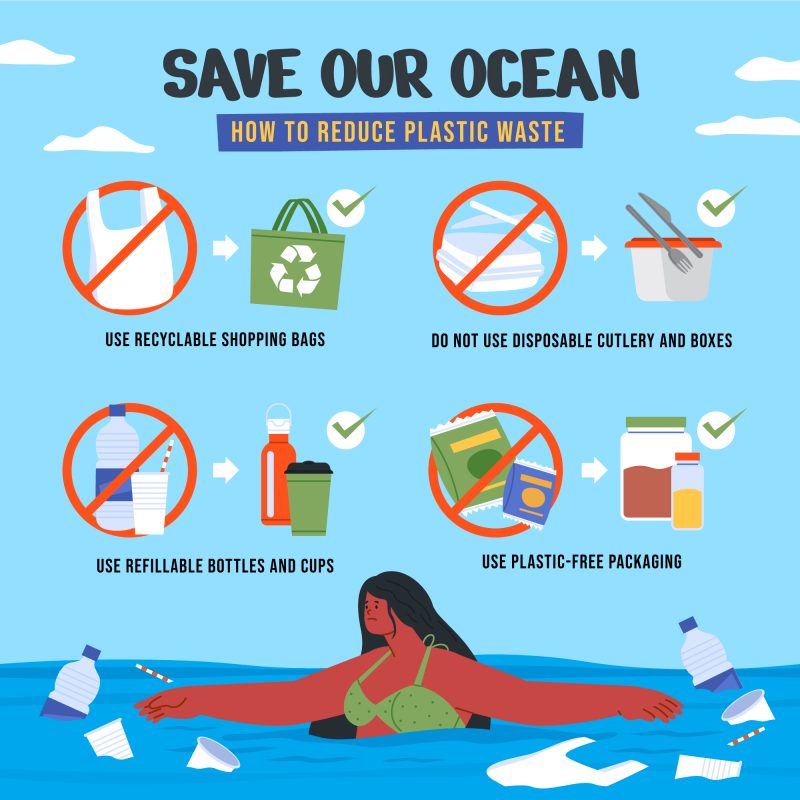
When it comes to clothing, microplastics from clothing are a major source, released during the washing of synthetic fabrics like polyester. To avoid microplastics here, opt for natural fibers such as cotton, wool, or linen. Wash clothes less frequently, use cold water cycles, and install a laundry filter to capture fibers before they enter waterways. Jute bags, for example, are a fantastic alternative to plastic shopping bags, preventing the breakdown that leads to microplastics in water and soil. Carry a reusable jute bag for groceries to cut down on single-use plastics entirely. This simple habit can drastically lower your contribution to microplastic pollution.
Food and Water Safety
Food and water consumption are other critical areas where microplastics in food and water pose risks. Microplastics in food often come from packaging, processed items, and seafood. To avoid microplastics, prioritize fresh, whole foods over highly processed ones—think fruits, vegetables, and grains instead of packaged snacks. Reduce seafood intake, especially shellfish like oysters and shrimp, which accumulate particles from polluted oceans.
For water, ditch bottled options, as they contain higher levels of microplastics than tap water. Invest in a certified water filter to remove contaminants, and use glass or stainless steel bottles for on-the-go hydration. At home, store food in glass containers rather than plastic to prevent leaching, and never microwave meals in plastic wrap or containers.
Reducing Inhaled Microplastics
Inhaling microplastics is an overlooked threat, with particles floating in indoor air from dust, carpets, and synthetic furnishings. To avoid microplastics through inhalation, maintain a clean home by vacuuming with HEPA filters and dusting regularly. Choose natural-fiber rugs and curtains, and open windows for ventilation. Outdoors, reduce exposure by avoiding high-traffic areas where tire wear contributes to airborne particles.
Broader Steps to Reduce Microplastics
Reducing microplastics overall requires systemic changes, but individual actions add up. Shop for microplastic-free products labeled as such, support brands using sustainable materials, and advocate for bans on microbeads. By focusing on how to avoid microplastics in these ways, you’re not just protecting your health but also safeguarding the environment.
Conclusion
Incorporating these tips into your routine might seem daunting, but start small. Replace one plastic item a week—like swapping a plastic toothbrush for a bamboo one or using a jute bag for errands. Over time, these choices compound, lowering the effects of microplastics on health and minimizing microplastics in the environment. Remember, every effort counts in the fight against plastic pollution.
As awareness grows, more people are learning how to avoid microplastics, leading to broader adoption of eco-friendly habits. Whether it’s choosing a natural loofah for bathing or menstrual cups for periods, these alternatives make a real difference. Embrace them today for a cleaner tomorrow.
Microplastics are tiny plastic particles under 5 mm, from degrading plastics or products like cosmetics, divided into primary (e.g., microbeads) and secondary (microplastics from clothing mm,) types. They pollute water and microplastics in the environment, harming wildlife and entering the food chain. Switching to microplastic-free products like jute bags or bamboo brushes helps avoid microplastics.
Reducing microplastics in food involves choosing fresh foods over packaged items and limiting seafood like oysters that absorb microplastics in the environment. Use glass containers instead of plastic and opt for microplastic-free products like organic tampons to minimize contamination. These steps lower your exposure effectively.
To avoid microplastics, switch to natural alternatives like jute bags for shopping and bamboo brushes for oral care, avoiding synthetic cosmetics and microplastics from clothing. Use menstrual cups or organic tampons and install water filters to reduce microplastics in water. Small swaps make a big difference.
The effects of microplastics on health include potential inflammation and respiratory issues from inhaling or ingesting them via food and water. These particles, linked to microplastics in the environment, may contribute to long-term diseases. Choosing microplastic-free products can help mitigate these risks.
Eco-friendly products like jute bags, bamboo brushes, and organic tampons reduce microplastics by replacing plastic items that break down into microplastics in water and food. They support reducing microplastics in daily use, minimizing environmental impact, and promoting a healthier lifestyle.

